
A Trusted Name in
Parkinson’s disease (PD) and Movement Disorders Care (MDs)
Living With Parkinson’s disease (PD) and a Movement Disorder’s (MDs) Is Challenging — But Effective Treatment Options Are Available at ParkinsonsMDCare
- Personalized Care and Management for Every Stage of Parkinson’s disease (PD) and Movement Disorders (MDs)
- Evidence-Based, Patient-Centered Approach
- Based on best practice global Standards
- Personalized Success Rate in Patient Clinical Outcomes
- Deep Brain Stimulation (DBS) Interventional Therapy
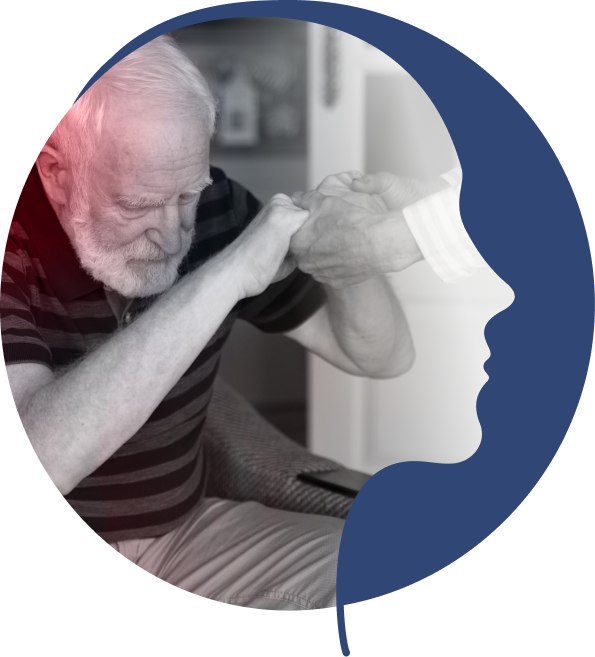
Globally Recognized Expertise in Parkinson’s disease, (PD) Movement Disorders (MDs) and Deep Brain Stimulation (DBS)
Parkinson’s disease (PD) and Movement disorders (MDs) can significantly impact daily life, affecting mobility, balance, coordination, and overall activities of daily living. These complex neurological conditions require precise diagnosis and expert care from a highly trained and experienced global specialist.
Commanding influence across the Middle East, North Africa and South Asia (MENASA) and globally, Dr. Jawad A. Bajwa brings distinguished experience as an Interventional Movement Disorders Neurologist specializing in Parkinson’s disease (PD), Movement Disorders (MDs) and Deep Brain Stimulation (DBS). He is well recognized in the diagnosis, treatment, counseling, and comprehensive management of Parkinson’s disease (PD), tremors, dystonia, and related movement disorders.
Dr. Jawad A. Bajwa has trained at renowned institutes in the United States, including the Georgetown University Hospital and the Cleveland Clinic Foundation, and has practiced and collaborated with leading neurology and Parkinson’s disease (PD) and Movement Disorders (MDs) centers in the USA, Europe, Asia Pacific, and the Middle East, North Africa and South Asia (MENASA) region. His international experience provides world-class standards of care in all treatments.
About Dr. Jawad A. Bajwa
Dr. Bajwa’s expertise is grounded in rigorous American training and clinical practice, which he has successfully combined with extensive experience as a leader building Parkinson’s (PD), Movement Disorders (MDs) and Deep Brain Stimulation (DBS) programs, clinical services, and research in the USA and then across the MENASA (Middle East, North Africa, and South Asia) region. His clinical and academic contributions span a broad geographical scope.
With more than 20 years as a Deep Brain Stimulation (DBS) specialist with extensive training and experience, he has devoted his professional life to assisting such patients in regaining their mobility, self-assurance, and sense of control.
His unique blend of American medical education, global work experience, international leadership roles, and regional cultural competence has positioned him as one of the most recognized and accomplished neurologists in the region. Dr. Bajwa has made a significant difference in clinical care, medical training, and research, making him a leading figure in improving care and research for Parkinson’s disease (PD) and Movement Disorders (MDs) in the Middle East, North Africa, and South Asia (MENASA).
Dr. Bajwa provides a unique, approachable method of Parkinson’s (PD) and Movement Disorders (MDs) care through ParkinsonsMDCare, his Parkinson’s (PD) and Movement Disorders (MDs) virtual online practice, which connects patients from different areas of the globe without being constrained by geography. His method ensures that each patient receives individualized, empathetic, and evidence-based care in the convenience of their home by combining advanced clinical expertise and virtual online remote technology, all with sincere compassion.
Disorders We Treat
Parkinson’s disease (PD) and Movement disorders (MDs) impact all aspects of life, not just physical capabilities. With a non-traditional, patient-first approach to care, patients receive professional advice and treatment for medical disorders.
ParkinsonsMDCare offers specialized neurological and movement disorder care to patients directly through advanced assessments. Our knowledge of Deep Brain Stimulation (DBS) and individualized treatment programs enables them to regain control, comfort, and confidence without the need for physical appointments.
Here is the list of some disorders that we specialize in treating.
Parkinson’s Disease
Parkinson’s disease is a neurological disorder that becomes worse over time and affects movement and coordination. When nerve cells in a part of the brain called the basal ganglia stop working, it causes a drop in dopamine. This chemical messenger helps movement function smoothly and in a controlled way. When dopamine levels drop, people may have tremors, stiffness, sluggish movement (bradykinesia), and trouble keeping their balance.
Parkinson’s disease is the fastest-growing brain disorder globally. It is most commonly associated with movement symptoms, but it can also impact other aspects of health, such as mood, sleep, memory, and olfactory perception. People over 50 are more likely to have the illness, but it can also happen in younger people. It’s not clear what the specific cause is, but it’s thought that both genetics and environmental factors have something to do with it.
Treatment options
- Medications to manage tremors, stiffness, and slowness.
- Deep Brain Stimulation (DBS) for advanced or medication-resistant cases.
- Lifestyle Adjustments, such as exercise routines, a balanced diet, and stress management, for better long-term control.
- Supportive treatments
Parkinson’s Disease
Parkinson’s disease (PD) is a neurological movement disorder that becomes worse over time and affects movement and coordination. When nerve cells in a part of the brain called the basal ganglia stop working, it causes a reduction in dopamine. This chemical messenger helps movement function smoothly and in a controlled way. When dopamine levels decrease, people may have tremors, stiffness, sluggish movement (bradykinesia), and trouble keeping their balance.
Parkinson’s disease (PD) is the fastest-growing brain neurodegenerative disorder globally. Asia, in particular, is experiencing a rapid growth in Parkinson’s disease (PD) cases due to population growth and aging. It is most commonly associated with movement symptoms, but it can also impact other aspects of health, such as mood, sleep, memory, and olfactory perception. People over 50 are more likely to have the illness, but it can also happen in younger people. The cause is unknown, but genetics and environment are thought to play a role.
Treatment options
- Medications to manage tremors, stiffness, and slowness.
- Lifestyle adjustments, such as exercise routines, a balanced diet, and stress management, for better long-term control.
- Deep Brain Stimulation (DBS) to enhance activities of daily living, improve suboptimal medical therapy, maintain physical and functional independence, and minimize drug complications.
- Other supportive treatments.
Essential Tremor
Essential tremor is a common neurological disorder that causes particular body parts, usually the hands and arms, to shake or tremble without the person’s control. It can also have an effect on the face, voice, head, or other parts of the body. Essential tremor usually happens when you move or hold a certain position.
This condition can affect anyone, although it is more commonly seen in younger adults. Familial tremor is another name for it since it typically occurs in families, which suggests a genetic link. Essential tremor normally starts slowly and gets worse over time, which can make things like writing, eating, or getting dressed harder to do.
Treatment options
- Deep Brain Stimulation (DBS) to stabilize tremors unresponsive to medication.
- Lifestyle modifications, including managing stress to minimize tremor triggers.
- Deep Brain Stimulation (DBS) to stabilize tremors unresponsive to medication.
- Medications to reduce shaking.
Essential Tremor
Essential tremor (ET) is a common neurological movement disorder that causes particular body parts, usually the hands and arms, to shake or tremble without the person’s control. It can also have an effect on the face, voice, head, or other parts of the body. Essential tremor (ET) usually happens when you move or hold a certain position.
This condition can affect anyone, although it is more commonly seen in younger adults but equally happens in older adults. Essential tremor (ET) normally starts slowly and gets worse over time, which can make things like writing, eating, or getting dressed harder to do.
Treatment options
- Medications to reduce shaking.
- Lifestyle modifications, including managing stress to minimize tremor triggers.
- Deep Brain Stimulation (DBS) to stabilize tremors.
- Supportive therapy.
Dystonia
Dystonia is a movement disease that affects the nervous system. It causes muscles to contract involuntarily, which can lead to twisting, repeated movements, or strange postures. These muscle contractions can affect just one portion of the body (focal dystonia), two or more parts of the body (segmental dystonia), or all over the body (generalized dystonia). The condition might be moderate, or it can be severe and painful, making it hard to do everyday things.
Dystonia affects the muscles, but it starts in the brain, more specifically in the basal ganglia, which is in charge of coordinating movement. When the brain can’t talk to the muscles properly, it sends abnormal signals that make muscles stiffen on their own.
Dystonia can occur at any age and may develop as a primary disorder (with no identifiable cause) or secondary to another neurological condition, injury, or medication. Genetic factors also play a role in some forms. Common symptoms include muscle stiffness, tremors, and abnormal postures of the neck, face, hands, or limbs.
Treatment options
- Medications to reduce involuntary contractions.
- Deep Brain Stimulation (DBS)
- Stress management and relaxation techniques to prevent symptom aggravation.
- Supportive treatment
Dystonia
Dystonia is a neurological movement disorder that causes the muscles to contract involuntarily, which can lead to twisting, repeated movements, or abnormal postures. These muscle contractions can affect just one portion of the body (focal dystonia), two or more parts of the body (segmental dystonia), or all over the body (generalized dystonia). The condition might be moderate, or it can be severe and painful, making it hard to do everyday things.
Dystonia affects the muscles, but it starts in the brain, more specifically in the basal ganglia, which is in charge of coordinating movement. When the brain can’t talk to the muscles properly, it sends abnormal signals that make muscles stiffen on their own.
Dystonia can occur at any age and may develop as a primary disorder (with no identifiable cause) or secondary to another neurological condition, injury, or medication. Genetic factors also play a role in some forms. Common symptoms include muscle stiffness, tremors, and abnormal postures of the neck, face, hands, or limbs.
Treatment options
- Medications to reduce involuntary contractions.
- Stress management and relaxation techniques to prevent symptom aggravation.
- Deep Brain Stimulation (DBS) to reduce muscle twisting and pain.
- Supportive treatment.
Not Sure What’s Causing Your Symptoms?
Use this easy checklist to look for any indicators of movement abnormalities. If you can relate to any of them, it might be time to see Dr. Jawad A. Bajwa, who treats Parkinson’s disease and various movement disorders.
Parkinson’s Disease
- Tremor
- Slowed movement (bradykinesia)
- Rigid muscles
- Poor posture and balance
- Slowness or loss of spontaneous movements
- Speech changes
- Writing changes
- Non-motor symptoms
Essential Tremor
- Tremors in the hands and arms
- Head nodding
- Shaky voice
- Tremors in legs or trunk
-
Difficulty with daily tasks
(like writing or holding objects)
Dystonia
- Involuntary muscle contractions
- Twisting or repetitive movements
- Abnormal or fixed postures
- Pain or discomfort during movement
- Muscle cramps or stiffness
- Symptoms that worsen with stress or fatigue
Understanding the Brain Your
Body’s Movement Command Center
The human brain is a complex network that controls every movement, thought, and emotion. For patients with movement disorders (MDs) such as Parkinson’s disease (PD), Essential Tremor (ET), or Dystonia, understanding how the brain works helps explain why these conditions occur and how treatments are designed to help.
Key Regions of the Brain Involved in Movement
1. Cerebral Cortex
The largest part of the brain, divided into left and right hemispheres. It controls voluntary movements, speech, emotions, and problem-solving. The motor part of the cerebral cortex sends signals that initiate movement.
2. Cerebellum
Located at the back of the brain, the cerebellum fine-tunes movement and coordination. Disorders like Tremor and Dystonia are often linked to cerebellar dysfunction, causing imbalance and clumsiness.
3. Basal Ganglia
This deep brain structure plays a major role in controlling smooth and purposeful movements. In Parkinson’s disease (PD) and Dystonia, the basal ganglia’s nerve cells are affected, leading to tremors, rigidity, or involuntary motions.
4. Thalamus
Acts as a relay station, passing movement and sensory information to and from the cerebral cortex. It helps maintain control and precision in motion.
5. Brainstem
Responsible for vital functions like breathing and heart rate, it also connects the brain with the spinal cord, enabling reflex actions and autonomic movements.
6. Frontal Lobe
Handles motor function, planning, and problem-solving. Damage or dysfunction here can contribute to difficulties in voluntary motion and cognitive control.
How Does This Knowledge Help in
Treating Parkinson’s Disease and MDs?
Understanding the brain’s structure allows specialists like Dr. Jawad A. Bajwa to target the affected areas through therapies such as medications and Deep Brain Stimulation (DBS), which restore communication within the motor circuits.
When Should You See
Dr. Jawad A. Bajwa?
Getting checked out early can make a big impact if you notice changes in how you move or control things. Dr. Jawad A. Bajwa is an expert in detecting and treating Parkinson’s disease and other movement disorders. He helps patients to improve their quality of life via personalized care and cutting-edge treatments.
You should consider seeing Dr. Jawad A. Bajwa if
- You have started noticing tremors, stiffness, or slowed movements in your hands, arms, or legs.
- You experience involuntary muscle contractions, repetitive movements, or abnormal postures—such as your neck twisting (cervical dystonia), eyelids closing uncontrollably (blepharospasm), or fingers curling inward (hand dystonia/writer’s cramp).
- You have a shaking or trembling of the hands, head, voice, or other body parts that interferes with daily tasks.
- Everyday activities like writing, using utensils, or walking are becoming more difficult.
- Your symptoms worsen with stress or fatigue, or you notice they improve temporarily with certain movements.
- Your current medication no longer manages your symptoms as effectively as before.
- You are experiencing side effects like motor fluctuations or uncontrolled movements (dyskinesia) from Parkinson’s (PD) treatment.
- You have noticed changes in balance, softer speech, smaller handwriting, or reduced facial expressions.
- You are exploring interventional treatment options such as Deep Brain Stimulation (DBS) for Parkinson’s (PD), tremor, or dystonia.
- You want ongoing, personalized care to help you move better and live more comfortably.
- You or a loved one needs expert guidance and support for living well with movement disorders.
- You would like a second opinion or wish to confirm your diagnosis and treatment plan.
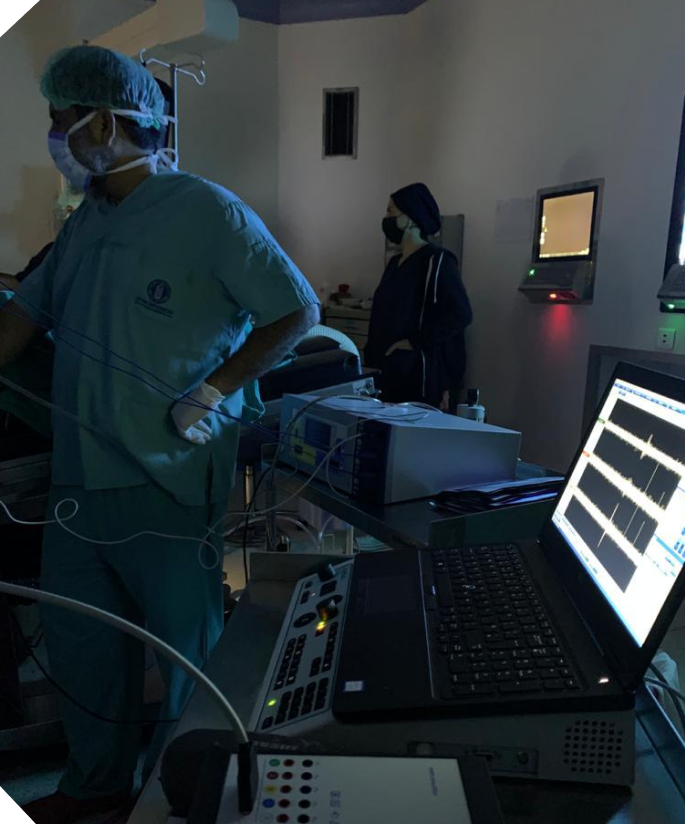
Why Timely Treatment Matters for Parkinson’s Disease (PD) and Movement Disorders (MDs)?
Early medical care can make a big difference in how well people with mobility disorders do. Symptoms are easier to deal with, treatment works better, and patients might have a higher quality of life when they are treated early. Delaying treatment can lead to worsening symptoms and reduced independence.
| Disorder | If Treated Timely | If Not Treated Timely |
|---|---|---|
| Parkinson’s Disease | Early therapy and medications can improve mobility and quality of life and maintain daily function. | Symptoms such as stiffness, tremors, and slowness become severe, reducing independence and quality of life. |
| Essential Tremor | Tremors can be controlled with medication or DBS, helping maintain steady hands and daily activities. | Tremors worsen over time, making writing, eating, or self-care more difficult. |
| Dystonia | Early care reduces muscle spasms, improves posture, and maintains mobility. | Delay may cause fixed postures, pain, and limited movement. |
Turning Challenges into Hope
| Sr.# | Test Name | Reporting Time |
|---|---|---|
| 1 | 17-Hydroxy Progesterone (OHP) | NEXT DAY |
| 2 | 17-Ketosteroids (24 Hours Urine) | AFTER FIVE DAYS |
| 3 | 25-OH Vitamin - D3 | SAME DAY |
| 4 | 5 HIAA(5-Hydroxyindoieacetic Acid | AFTER FIVE DAYS |
| 5 | Creatinine Clearance (24 Hours Urine) | SAME DAY |
| 6 | HB Electrophoresis | AFTER FOUR DAYS |
| 7 | Protein Electrophoresis (Urine Random/Spot) | AFTER TWO WEEKS |
| 8 | 3g Allergy Specfic IgE Universal Food Allergens Profile | AFTER TWO WEEKS |
| 9 | 3g Allergy Specfic IgE Universal Inhalant Allergens Profile | AFTER ONE WEEK |
| 10 | A/G Ratio | DAILY |
| 11 | A/G Ratio* | DAILY |
| 12 | Abdominal Fluid for Aanlysis | NEXT DAY |
| 13 | Abdominal Fluid For Cytology | AFTER THREE DAYS |
| 14 | Abdominal Fluid For AFB C/S (Mycobacterium Tuberculosis) | AFTER 8 WEEKS |
| 15 | Abdominal Fluid For AFB Stain / ZN Stain | SAME DAY |
| 16 | Abdominal Fluid For C/S (Bacterial Culture & sensitivity) | AFTER THREE DAYS |
| 17 | Abdominal Fluid For Gram Stain | SAME DAY |
| 18 | ABGS (Arterial Blood Gases) | DAILY |
| 19 | Abscess For C/S (Bacterial Culture & sensitivity) | AFTER THREE DAYS |
| 20 | Absolute Eosinophil Count | DAILY |
| 21 | Absolute Lymphocyte Count | DAILY |
| 22 | Absolute Monocyte Count | DAILY |
| 23 | Absolute Neutrophil Count | DAILY |
| 24 | Absolute Values/Cell Counts | DAILY |
| 25 | ACE Angiotensin Converting Enzyme | DAILY |
| 26 | Acid Phosphate | AFTER TWO DAYS |
| 27 | ACTH (Adrenocorticotropic Hormone) | DAILY |
| 28 | AcuteLeukemia Immunophenotyping on Bone Marrow (Flow Cytometry) | AFTER ONE WEEK |
| 29 | AcuteLeukemia Immunophenotyping on Peripheral Blood (Flow Cytometry) | AFTER FOUR DAYS |
| 30 | Adenosine Deaminase (ADA-CSF) | DAILY |
| 31 | Adenosine Deaminase (ADA-Fluid) | DAILY |
| 32 | Adenosine Deaminase (ADA-Serum) | DAILY |
| 33 | AFB C/S (Mycobacterium Tuberculosis) Any Specimen | AFTER 8 WEEKS |
| 34 | AFB Stain / ZN Stain (Urine Random/Spot) | DAILY |
| 35 | Albumin (24 Hours Urine) | SAME DAY |
| 36 | Albumin (Fluid) | DAILY |
| 37 | Albumin (Serum) | SAME DAY |
| 38 | Albumin* | DAILY |
| 39 | Alcohol Level (Blood) | AFTER TWO DAYS |
| 40 | Aldolase(Serum) | DAILY |
| 41 | Aldosterone (Serum) | AFTER THREE DAYS |
| 42 | Aldosterone/Direct Renin Ratio (ADRR) | AFTER TWO DAYS |
| 43 | ALK by FISH | AFTER THREE WEEKS |
| 44 | Alkaline Phosphatase | SAME DAY |
| 45 | Alkaline Phosphatase* | DAILY |
| 46 | Alpha 1, Anti Trypsin Level | AFTER THREE DAYS |
| 47 | Alpha Feto Protein (AFP) | DAILY |
| 48 | Ammonia (NH3) | DAILY |
| 49 | AMPHETAMINES (Urine (Random/Spot) | NEXT DAY |
| 50 | Amylase (24Hrs Urine) | DAILY |
| 51 | Amylase (Fluid) | DAILY |
| 52 | Amylase (Serum) | SAME DAY |
| 53 | Amylase (Spot Urine) | DAILY |
| 54 | ANCA - C (PR-3) | DAILY |
| 55 | ANCA - P (MPO) | DAILY |
| 56 | Androgen (Serum) | AFTER TWO DAYS |
| 57 | Androstenedione Level (Serum) | AFTER 7 DAYS |
| 58 | Anion Gap (Serum) | DAILY |
| 59 | Anti Aquaporin 4 Ab by Serum (NMO) | AFTER 7 DAYS |
| 60 | Anti Cardiolipin IgG | NEXT DAY |
| 61 | Anti Cardiolipin IgM | NEXT DAY |
| 62 | Anti CCP (Cyclic Citrullinated Peptide) | DAILY |
| 63 | Anti Centromers Ab | AFTER THREE DAYS |
| 64 | Anti ds DNA | DAILY |
| 65 | Anti Endomyesial IgA | AFTER FIVE DAYS |
| 66 | Anti Endomyesial IgG | AFTER FIVE DAYS |
| 67 | Anti Epstein Barr Virus IgG (EBV) | AFTER THREE DAYS |
| 68 | Anti Epstein Barr Virus IgM (EBV) | AFTER THREE DAYS |
| 69 | Anti GAD Abs | AFTER 10 DAYS |
| 70 | Anti HBc (Total) | DAILY |
| 71 | Anti HBc IgG (Total Abs) | NEXT DAY |
| 72 | Anti HBc IgM | DAILY |
| 73 | Anti HBe | DAILY |
| 74 | Anti HBs | NEXT DAY |
| 75 | Anti HCV | SAME DAY |
| 76 | Anti HDV | NEXT DAY |
| 77 | Anti Helicobacter pylori IgA | DAILY |
| 78 | Anti Helicobacter pylori IgG | DAILY |
| 79 | Anti Helicobacter pylori IgM | AFTER ONE DAY |
| 80 | Anti HEV IgG | AFTER TWO DAYS |
| 81 | Anti HEV IgG | NEXT DAY |
| 82 | Anti HEV IgM | NEXT DAY |
| 83 | Anti HIV - 1 & 2 | SAME DAY |
| 84 | Anti LKM (Anti Liver Kidney Microsomal Antibody) | AFTER TWO DAYS |
| 85 | Anti Mitochondrial Antibodies (AMA) | DAILY |
| 86 | Anti Mullerian Hormone (AMH) | DAILY |
| 87 | Anti Nuclear Antibody (ANA) | DAILY |
| 88 | Anti Nuclear Antibody Profile by IF (ANA, ASMA, AMA, APCA) | AFTER FIVE DAYS |
| 89 | Anti Phospholipid IgG | NEXT DAY |
| 90 | Anti Phospholipid IgM | NEXT DAY |
| 91 | Anti Retu | AFTER THREE DAYS |
| 92 | Anti SCL-70 | AFTER THREE DAYS |
| 93 | Anti Sperm Antibodies | AFTER FOUR DAYS |
| 94 | Anti Thrombin III | AFTER ONE WEEK |
| 95 | Anti Thyroglobulin (Anti-Tg) | NEXT DAY |
| 96 | Anti Thyroid Peroxidase Abs (Anti-TPO) | DAILY |
| 97 | Anti Tissu Transglutaminase IgA | DAILY |
| 98 | Anti Tissu Transglutaminase IgG | DAILY |
| 99 | ANTI-GBM (Anti Glomerula Basement Membran) | AFTER TWO DAYS |
| 100 | Anti-SS (LA) | AFTER TWO DAYS |
| 101 | Anti-SS (RO) | AFTER TWO DAYS |
| 102 | APTT | Same Day After 8 Hour |
| 103 | Ascitic Fluid For C/S (Bacterial Culture & sensitivity) | AFTER THREE DAYS |
| 104 | Ascitic Fluid for Aanlysis | SAME DAY |
| 105 | Ascitic Fluid For AFB C/S (Mycobacterium Tuberculosis) | AFTER 8 WEEKS |
| 106 | Ascitic Fluid For AFB Stain / ZN Stain | DAILY |
| 107 | Ascitic Fluid For Gram Stain | DAILY |
| 108 | Ascitic Fluid for Triglycerides | DAILY |
| 109 | ASOT (Anti Streptolysine O Titer) | DAILY |
| 110 | Aspergillus (galactomannan) Antigen | AFTER 7 DAYS |
| 111 | Aspirate For C/S (Bacterial Culture & sensitivity) | AFTER THREE DAYS |
| 112 | Autoimmune Encephilitis Antibodies Profile (CSF) | AFTER 10 DAYS |
| 113 | Autoimmune Encephilitis Antibodies Profile (Serum) | AFTER 10 DAYS |
| 114 | Autoimmune Liver Disease Profile | AFTER THREE DAYS |
| 115 | Barbiturates (Urine Random/Spot) | NEXT DAY |
| 116 | BASIC METABOLIC PANEL (BMP) | NEXT DAY |
| 117 | BCR-ABL by PCR (Quantitative) | AFTER ONE WEEK |
| 118 | Bence Jones Protein (Urine Random/Spot) | SAME DAY |
| 119 | Benzodiazepines (Urine Random/Spot) | NEXT DAY |
| 120 | Beta 2 Glycoprotein-1 IgG | AFTER THREE DAYS |
| 121 | Beta 2 Glycoprotein-1 IgM | AFTER THREE DAYS |
| 122 | Beta D Glucan | AFTER 7 DAYS |
| 123 | Beta HCG | DAILY |
| 124 | Beta HCG (Male) | SAME DAY |
| 125 | Beta-2 Microglobulin | AFTER THREE DAYS |
| 126 | Bicarbonates (HCO3) (Serum) | DAILY |
| 127 | Bile Pigment | AFTER TWO DAYS |
| 128 | Bile Salt (Random / Spot Urine) | AFTER TWO DAYS |
| 129 | Bilirubin Direct (Conj) | SAME DAY |
| 130 | Bilirubin INDirect (UnConj) | DAILY |
| 131 | Bilirubin INDirect (UnConj) | SAME DAY |
| 132 | Bilirubin Total | SAME DAY |
| 133 | Bilirubin Total* | DAILY |
| 134 | Biopsy (Kidney/IHC/IF) | AFTER 10 DAYS |
| 135 | Biopsy (Large) | AFTER 7 DAYS |
| 136 | Biopsy (Medium) | AFTER FIVE DAYS |
| 137 | Biopsy (Medium) x 2 | AFTER ONE WEEK |
| 138 | Biopsy (small) | AFTER FOUR DAYS |
| 139 | Biopsy (TURBT, TURPT, Axillary Clearence) | AFTER 7 DAYS |
| 140 | Biopsy (Uterus, MRM, Lumpectomy, ) | AFTER 7 DAYS |
| 141 | Biopsy Small X 2 | AFTER FOUR DAYS |
| 142 | Biopsy Small X 3 | AFTER FIVE DAYS |
| 143 | Biopsy with IHC Large Panel | AFTER 10 DAYS |
| 144 | Biopsy with IHC Medium Panel | AFTER 10 DAYS |
| 145 | Biopsy with IHC Small Panel | AFTER 10 DAYS |
| 146 | Bleeding Time (BT) | Same Day After 8 Hour |
| 147 | Block(s) Request for Patient (all block(s) Charges | AFTER TWO DAYS |
| 148 | Blood C/E (CBC with Blood Flim Review ) | Same Day After 12 Hour |
| 149 | Blood C/E (Dengue Patient) | Same Day After 8 Hour |
| 150 | Blood Donor Profile Elisa Screening | DAILY |
| 151 | Blood for C/S Aerobic (Bacterial Culture & Sensitivity) | AFTER FOUR DAYS |
| 152 | Blood for C/S Anaerobic (Bacterial Culture & Sensitivity) | AFTER 7 DAYS |
| 153 | Blood Group & Cross Match (single Donor) | DAILY |
| 154 | Blood Group & Rh Factor | SAME DAY |
| 155 | Blood Sugar Fasting (BSF) | Same Day After 6 Hour |
| 156 | Blood Sugar Random (BSR) | Same Day After 6 Hour |
| 157 | BNP (Plasma) | SAME DAY |
| 158 | Body Fluid For AFB C/S (Mycobacterium Tuberculosis) | AFTER 8 WEEKS |
| 159 | Body Fluid For AFB STAIN / ZN STAIN | SAME DAY |
| 160 | Body Fluid For Analysis | NEXT DAY |
| 161 | Body Fluid For Analysis | SAME DAY |
| 162 | Body Fluid For C/S (Bacterial Culture & sensitivity) | AFTER THREE DAYS |
| 163 | Body Fluid For Gram Stain | SAME DAY |
| 164 | Bone For C/S (Bacterial Culture & Sensitivity) | AFTER 7 DAYS |
| 165 | Bone Marrow - Review of Case (Slides, Block) | AFTER 7 DAYS |
| 166 | Bone Marrow Biopsy (Procedure & Reporting) | AFTER ONE WEEK |
| 167 | BRCA I & BRCA II | AFTER 6 WEEKS |
| 168 | Breast Cancer Biomarkers (Estrogen (ER), Progesterone (PR), HER2 receptors) | AFTER FOUR DAYS |
| 169 | Breast cyst For AFB Stain/ZN Stain | DAILY |
| 170 | Bronchial Washing Fluid For Fungus Stain | NEXT DAY |
| 171 | Bronchial Washing Fluid For Gram Stain | DAILY |
| 172 | Bronchial Washing For AFB Stain / ZN Stain | SAME DAY |
| 173 | BRONCHIAL WASHING FOR AFB C/S (Mycobacterium Tuberculosis) | AFTER 8 WEEKS |
| 174 | Bronchial Washing for C/S (Anaerobic) (Bacterial Culture & Sensitivity) | AFTER 7 DAYS |
| 175 | Bronchial Washing For C/S (Bacterial Culture & Sensitivity) | AFTER THREE DAYS |
| 176 | Bronchial Washing For Cytology | NEXT DAY |
| 177 | Bronchoalveolar Lavage C/S (Bacterial Culture & Sensitivity) | AFTER THREE DAYS |
| 178 | Brucella Abs (IgG & IgM) | AFTER TWO DAYS |
| 179 | BUN (Blood Urea Nitrogen) | DAILY |
| 180 | BUN (Blood Urea Nitrogen)* | SAME DAY |
| 181 | BUN / Creatinine Ratio | DAILY |
| 182 | C2 Monitoring (Whole Blood) | AFTER FOUR DAYS |
| 183 | C3 (Complement Level 3) | DAILY |
| 184 | C4 (Complement Level 4) | DAILY |
| 185 | CA 125 | DAILY |
| 186 | CA 15-3 | DAILY |
| 187 | CA 19-9 | NEXT DAY |
| 188 | CA 19-9 (Fluid) | NEXT DAY |
| 189 | Calcium (24 Hours Urine) | DAILY |
| 190 | Calcium (Ca) (Serum) | SAME DAY |
| 191 | Calcium (Fluid) | NEXT DAY |
| 192 | Calcium (Urine Random/Spot) | DAILY |
| 193 | Calcium / Creatinine Ratio (Urine Random / Spot) | DAILY |
| 194 | Calprotectin (Stool) | DAILY |
| 195 | Cannabinoids (Urine Random/Spot) | AFTER ONE DAY |
| 196 | Carbamazepine ( Tegretol ) | AFTER THREE DAYS |
| 197 | Cardiac Enzymes (CPK, CK-MB, SGOT, LDH ) | SAME DAY |
| 198 | Catecholamines (24 Hours Urine) | AFTER THREE DAYS |
| 199 | Catecholamines (Serum) | AFTER ONE WEEK |
| 200 | Catheter TIP For C/S (Bacterial Culture & Sensitivity) | AFTER THREE DAYS |
| 201 | CEA (Carcinoembryonic Antigen) | DAILY |
| 202 | CEA (Carcinoembryonic Antigen) (Fluid) | NEXT DAY |
| 203 | Ceruloplasmin (Serum) | DAILY |
| 204 | Chloride (24 Hours Urine) | AFTER TWO DAYS |
| 205 | Chloride (Cl) (Serum) | DAILY |
| 206 | Chloride (Fluid) | DAILY |
| 207 | Chloride (Urine Random/Spot) | AFTER ONE DAY |
| 208 | Cholesterol | DAILY |
| 209 | Cholesterol / HDL Ratio | DAILY |
| 210 | Cholinestrase (Serum) | AFTER THREE DAYS |
| 211 | Chromosomal Analysis / Peripheral Blood for Karyotyping with History | AFTER TWO WEEKS |
| 212 | Citrate (24 hrs Urine) | AFTER FOUR DAYS |
| 213 | CK-MB (Creatine Kinase-MB) | DAILY |
| 214 | Clotting Time (CT) | DAILY |
| 215 | CMV by PCR (Viral Load / Quantitation) | AFTER ONE WEEK |
| 216 | CMV IgG (Cytomegalovirus) | NEXT DAY |
| 217 | CMV IgM (Cytomegalovirus) | NEXT DAY |
| 218 | Coagulation Profile (PT with INR & APTT) | DAILY |
| 219 | Cocaine (Urine Random/Spot) | NEXT DAY |
| 220 | Cold Agglutination Test | AFTER FOUR DAYS |
| 221 | Comprehensive metabolic panel (CMP) | DAILY |
| 222 | Conjunctival Swab Left side for C/S (Bacterial Culture & Sensitivity) | AFTER THREE DAYS |
| 223 | Conjunctival Swab Right side for C/S (Bacterial Culture & Sensitivity) | AFTER THREE DAYS |
| 224 | Consultation fee | DAILY |
| 225 | Coombs Test (Direct) | NEXT DAY |
| 226 | Coombs Test (Indirect) | NEXT DAY |
| 227 | Copper (Spot / Random Urine) | AFTER THREE DAYS |
| 228 | Copper (24 Hrs Urine) | AFTER FOUR DAYS |
| 229 | Copper (Serum) | AFTER THREE DAYS |
| 230 | Cornial Scraping C/S (Bacterial Culture & Sensitivity) | AFTER THREE DAYS |
| 231 | Corrected Calcium | DAILY |
| 232 | Cortisol (24 Hours Urine) | NEXT DAY |
| 233 | Cortisol (AM) | DAILY |
| 234 | Cortisol (PM) | DAILY |
| 235 | Covid-19 (Corona Virus) by PCR Qualitative | AFTER ONE DAY |
| 236 | COVID-19 IgM Antibody Test (against spike protein) | NEXT DAY |
| 237 | Covid-19 SARS-CoV-2 IgG (Quantitative) | AFTER TWO DAYS |
| 238 | Covid-19 SARS-CoV-2 IgM (Quantitative) | AFTER TWO DAYS |
| 239 | C-Peptide Level | DAILY |
| 240 | CPK | SAME DAY |
| 241 | Creatinine (24 Hours Urine) | SAME DAY |
| 242 | Creatinine (Fluid) | DAILY |
| 243 | Creatinine (Serum) | SAME DAY |
| 244 | Creatinine (Serum)* | DAILY |
| 245 | Creatinine (Urine Random/Spot) | SAME DAY |
| 246 | Cross Matching with Elisa Screening | DAILY |
| 247 | CRP (High Sensitivity) | NEXT DAY |
| 248 | Cryoglobulins | AFTER THREE DAYS |
| 249 | Cryoprecipitate (one bag) | DAILY |
| 250 | CSF Fluid For AFB C/S (Mycobacterium Tuberculosis) | AFTER 8 WEEKS |
| 251 | CSF Fluid For Gram Stain | SAME DAY |
| 252 | CSF for AFB Stain / ZN Stain | SAME DAY |
| 253 | CSF for Aanlysis | Same Day After 12 Hour |
| 254 | CSF FOR C/S (Bacterial Culture & Sensitivity) | AFTER THREE DAYS |
| 255 | CSF For Cytology | AFTER TWO DAYS |
| 256 | Curretting For Gram Stain | SAME DAY |
| 257 | CVP Tip For C/S (Bacterial Culture & Sensitivity) | AFTER THREE DAYS |
| 258 | Cyclosporin Level (Whole Blood) | AFTER FOUR DAYS |
| 259 | Cystic Fluid For AFB Stain / ZN Stain | SAME DAY |
| 260 | Cystic Fluid for Aanlysis | Same Day After 12 Hour |
| 261 | Cystic Fluid For AFB C/S (Mycobacterium Tuberculosis) | AFTER 8 WEEKS |
| 262 | Cystic Fluid For C/S (Bacterial Culture & Sensitivity) | AFTER THREE DAYS |
| 263 | Cystic Fluid For Cytology | NEXT DAY |
| 264 | Cystic Fluid For Gram Stain | SAME DAY |
| 265 | Cytology (Urine Random/Spot) | NEXT DAY |
| 266 | Dengue NS 1 Antigen | NEXT DAY |
| 267 | Dengue Virus IgG | NEXT DAY |
| 268 | Dengue Virus IgM | NEXT DAY |
| 269 | DHEA SO4 | NEXT DAY |
| 270 | Digoxin | AFTER TWO DAYS |
| 271 | DLC (Differential Leukocyte Count) | Same Day After 8 Hour |
| 272 | Drugs Screen Profile (Spot/Random Urine) | DAILY |
| 273 | Ear Swab for C/S (Bacterial Culture & Sensitivity) | AFTER THREE DAYS |
| 274 | Ear Swab For Gram Stain | SAME DAY |
| 275 | Echinococuus IgG | DAILY |
| 276 | eGFR | DAILY |
| 277 | eGFR with Creatinine | DAILY |
| 278 | eGFR with Creatinine* | DAILY |
| 279 | ENA Quantrix 25 IgG | AFTER FOUR DAYS |
| 280 | Eosinophil Count | SAME DAY |
| 281 | Eosinophil Count (Urine Random/Spot) | AFTER TWO DAYS |
| 282 | Epidermal growth factor receptor (EGFR) | AFTER THREE WEEKS |
| 283 | ESR (Erythrocytes Sedimentation Rate) | Same Day After 8 Hour |
| 284 | Estrogen (Estradiol) | SAME DAY |
| 285 | Everolimus (Whole Blood) | AFTER TWO DAYS |
| 286 | Extra Large Biopsy (Cystectomy, Amupation, Prostectomy) | AFTER 10 DAYS |
| 287 | Eye Swab (Left) for AFB Stain / ZN Stain | SAME DAY |
| 288 | Eye Swab (Right) for AFB Stain / ZN Stain | SAME DAY |
| 289 | Eye Swab C/S (Bacterial Culture & Sensitivity) | AFTER THREE DAYS |
| 290 | Factor II Gene Mutation Detection | AFTER 7 DAYS |
| 291 | Factor II Level | AFTER ONE WEEK |
| 292 | Factor IX Level | AFTER ONE WEEK |
| 293 | Factor V Leiden (FVL) Mutation Detection | AFTER 7 DAYS |
| 294 | Factor V Level | AFTER ONE WEEK |
| 295 | Factor VII Level | AFTER FOUR DAYS |
| 296 | Factor VIII Level | AFTER ONE WEEK |
| 297 | Factor X Level | AFTER FOUR DAYS |
| 298 | FDPs ( D-Dimer) | Same Day After 8 Hour |
| 299 | Fetal Hb.Electrophoresis | AFTER FOUR DAYS |
| 300 | FFP Preparation | ON CALL |
| 301 | Fibrinogen (Factor I) | Same Day After 8 Hour |
| 302 | Fluid for Bio Chemistry | NEXT DAY |
| 303 | Fluid for C/S (Bacterial Culture & Sensitivity) | AFTER THREE DAYS |
| 304 | Fluid for Creatinine | DAILY |
| 305 | Fluid For Cytology (Any Specimen:-) | NEXT DAY |
| 306 | Fluid for Fungus C/S (Any Fluids) | AFTER FOUR WEEKS |
| 307 | Fluid For TLC & DLC (Any Fluid:- ) | DAILY |
| 308 | FNAC (Procedure By Pathologist) | NEXT DAY |
| 309 | FNAC On Site Adequacy by Pathologist | ON CALL |
| 310 | FNAC Slides for Reporting | AFTER FOUR DAYS |
| 311 | FNAC Slides Interpretation | AFTER FOUR DAYS |
| 312 | FNAC Slides X 2 | AFTER FIVE DAYS |
| 313 | Folley`s TiP for C/S (Bacterial Culture & Sensitivity) | AFTER THREE DAYS |
| 314 | Free Androgen Index (FAI) | NEXT DAY |
| 315 | Free Cortisol (24 Hours Urine) | AFTER ONE DAY |
| 316 | Free T3 | DAILY |
| 317 | Free T4 | DAILY |
| 318 | Free Testosterone | DAILY |
| 319 | Free Thyroid Function Test (FT3,FT4,TSH) | DAILY |
| 320 | FSH | Same Day After 6 Hour |
| 321 | FTA-abs (fluorescent treponemal antibody absorption) | AFTER FOUR DAYS |
| 322 | Fungal Culture (Any Specimen:- ) | AFTER FOUR WEEKS |
| 323 | Fungal Stain | SAME DAY |
| 324 | Fungus Culture with KOH Stain | AFTER THREE WEEKS |
| 325 | Fungus Stain (KOH) | DAILY |
| 326 | G6PD Test (Glucose-6-Phosphate Dehydrogenase) | AFTER THREE DAYS |
| 327 | Gamma GT | DAILY |
| 328 | Gamma GT (GGT) | SAME DAY |
| 329 | Gamma GT (GGT)* | DAILY |
| 330 | Gastrin Level | AFTER FOUR DAYS |
| 331 | Gauze Piece For C/S (Bacterial Culture & Sensitivity) | AFTER THREE DAYS |
| 332 | GCT (Glucose Challenge Test) | Same Day After 6 Hour |
| 333 | Gene Expert MTB / RIF Assay | AFTER FOUR DAYS |
| 334 | Globulins | SAME DAY |
| 335 | Globulins* | DAILY |
| 336 | Gonoria Screening (GRAMs Staining) (Urine) | NEXT DAY |
| 337 | Gram Stain (Urine Random/Spot) | DAILY |
| 338 | Growth Hormone (HGH) | NEXT DAY |
| 339 | GTT (2 Sample - 75 Gram Glucose) | Same Day After 6 Hour |
| 340 | GTT(Glucose Tolerance Test) | Same Day After 6 Hour |
| 341 | Hair for Fungus C/S | AFTER FOUR WEEKS |
| 342 | Haptoglobin | AFTER TWO DAYS |
| 343 | HAV IgG (Total Abs) | NEXT DAY |
| 344 | HAV IgM | NEXT DAY |
| 345 | Hb (Hemoglobin) | Same Day After 8 Hour |
| 346 | HbA1C | DAILY |
| 347 | HBeAg | NEXT DAY |
| 348 | HBsAg | DAILY |
| 349 | HBV DNA by Real - Time PCR (Qualitative) | NEXT DAY |
| 350 | HBV DNA by Real - Time PCR (Quantitative) | NEXT DAY |
| 351 | HCV Genotyping | AFTER FIVE DAYS |
| 352 | HCV RNA by Real - Time PCR (Qualitative) | NEXT DAY |
| 353 | HCV RNA by Real-Time PCR (Quantitative) | NEXT DAY |
| 354 | HDL (Cholesterol) (Fasting) | DAILY |
| 355 | HDV RNA by PCR (Qualitative) | AFTER FOUR DAYS |
| 356 | HDV RNA BY PCR (Quantitative) | AFTER FOUR DAYS |
| 357 | Hemagglutination Test For Hydatid cyst | AFTER THREE DAYS |
| 358 | Hemoglobin (Urine Random/Spot) | DAILY |
| 359 | Hepatitis "B" Profile | AFTER ONE DAY |
| 360 | HER-2 by FISH | AFTER THREE WEEKS |
| 361 | Herpes (HSV 1&2) PCR Qualitative | AFTER FOUR DAYS |
| 362 | Herpes IgG (HSV) | NEXT DAY |
| 363 | Herpes IgM (HSV) | NEXT DAY |
| 364 | HEV BY PCR (Quantitation) | AFTER 7 DAYS |
| 365 | Histopathology grossing, processing & staining (per slide, H&E) NO REPORT | AFTER TWO DAYS |
| 366 | Histopathology Review Case (Blocks) (1 to 5 blocks) | AFTER ONE WEEK |
| 367 | Histopathology Review Case (Blocks) (1 to 5 blocks) without IHC | AFTER 10 DAYS |
| 368 | Histopathology Review Case (Blocks) (6 to 10 blocks) | AFTER 7 DAYS |
| 369 | Histopathology Review Case (Slides ) | AFTER THREE DAYS |
| 370 | HIV RNA by PCR (Quantitative) | AFTER THREE DAYS |
| 371 | HLA B27 Allele by PCR | AFTER 7 DAYS |
| 372 | Homocysteine Level | AFTER FOUR DAYS |
| 373 | Homocysteine Level (Urine Random/Spot) | AFTER FOUR DAYS |
| 374 | Hospital I/V Stand Swab for Bacterial growth | AFTER THREE DAYS |
| 375 | Hospital Nursing Counter Swab for Bacterial growth | AFTER THREE DAYS |
| 376 | Hospital OT Air for Bacterial growth | AFTER FOUR DAYS |
| 377 | Hospital OT Ambu Bag for Bacterial growth | AFTER FOUR DAYS |
| 378 | Hospital OT Anesthesia Machine Swab for Bacterial growth | AFTER FOUR DAYS |
| 379 | Hospital OT Baby Warmer for Bacterial growth | AFTER FOUR DAYS |
| 380 | Hospital OT Bed Mattress Swab for Bacterial growth | AFTER FOUR DAYS |
| 381 | Hospital OT Bed Swab for Bacterial growth | AFTER FOUR DAYS |
| 382 | Hospital OT Chair Swab for Bacterial growth | AFTER THREE DAYS |
| 383 | Hospital OT Dia Theater for Bacterial growth | AFTER THREE DAYS |
| 384 | Hospital OT Diathermy Machine for Bacterial growth | AFTER THREE DAYS |
| 385 | Hospital OT Floor Swab for Bacterial growth | AFTER THREE DAYS |
| 386 | Hospital OT Laryngoscope for Bacterial growth | AFTER THREE DAYS |
| 387 | Hospital OT Light for Bacterial growth | AFTER THREE DAYS |
| 388 | Hospital OT Medicine Trolley for Bacterial growth | AFTER THREE DAYS |
| 389 | Hospital OT Microscope Swab for Bacterial growth | AFTER THREE DAYS |
| 390 | Hospital OT Oxygen Mask for Bacterial growth | AFTER THREE DAYS |
| 391 | Hospital OT Phaco Machine for Bacterial growth | AFTER THREE DAYS |
| 392 | Hospital OT Suction Machine for Bacterial growth | AFTER FOUR DAYS |
| 393 | Hospital OT Table for Bacterial growth | AFTER FOUR DAYS |
| 394 | Hospital OT Wall for Bacterial growth | AFTER THREE DAYS |
| 395 | HVS For AFB Stain / ZN Stain | DAILY |
| 396 | HVS FOR C/S (Bacterial Culture & Sensitivity) | AFTER THREE DAYS |
| 397 | HVS For Gram Stain | SAME DAY |
| 398 | Hydrocele Fluid For AFB Stain / ZN Stain | DAILY |
| 399 | Hydrocele Fluid For AFB C/S (Mycobacterium Tuberculosis) | AFTER 8 WEEKS |
| 400 | Hydrocele Fluid For C/S (Bacterial Culture & Sensitivity) | AFTER THREE DAYS |
| 401 | Hydrocele Fluid For Cytology | NEXT DAY |
| 402 | Hydrocele Fluid For Gram Stain | DAILY |
| 403 | ICT Malaria | Same Day After 8 Hour |
| 404 | Immature Platelet Fraction (IPF) | AFTER TWO DAYS |
| 405 | Immunofixation Electrophoresis | AFTER 8 DAYS |
| 406 | IMMUNOGIOBULIN(IgA,IgG,IgM) | NEXT DAY |
| 407 | Immunohistochemistry x 2 (each antibody, IHC) NO REPORT | AFTER THREE DAYS |
| 408 | Immunohistochemistry x 4 (each antibody, IHC) NO REPORT | AFTER THREE DAYS |
| 409 | Immunohistochemistry x 5 (each antibody, IHC) NO REPORT | AFTER THREE DAYS |
| 410 | Immunohistochemistry x1 (each antibody, IHC) NO REPORT | AFTER THREE DAYS |
| 411 | Immunohistochemistry x3 (each antibody, IHC) NO REPORT | AFTER THREE DAYS |
| 412 | India Ink Stain | AFTER ONE DAY |
| 413 | Insulin | DAILY |
| 414 | Insulin (Fasting) | DAILY |
| 415 | Insulin Growth Factor-1(IgF-1) | NEXT DAY |
| 416 | Intact Parathyroid Hormone (iPTH) | SAME DAY |
| 417 | Interleukin 6 ( IL-6 ) | DAILY |
| 418 | Intrinsic Factor Antibodies (IFA) | AFTER FOUR DAYS |
| 419 | Ionized Calcium | SAME DAY |
| 420 | Iron / Fe Level (Serum) | DAILY |
| 421 | JAK-2V617F Mutation by PCR | AFTER THREE WEEKS |
| 422 | Joint Fluid For Gram Stain | SAME DAY |
| 423 | Joint Fluid for Aanlysis | Same Day After 12 Hour |
| 424 | Joint Fluid For AFB C/S (Mycobacterium Tuberculosis) | AFTER 8 WEEKS |
| 425 | Joint Fluid For AFB Stain / ZN Stain | SAME DAY |
| 426 | Joint Fluid for C/S (Bacterial Culture & Sensitivity) | AFTER THREE DAYS |
| 427 | Kappa & Lambda Light Chain (Bound and Free) | AFTER 8 DAYS |
| 428 | Kappa Free Light Chain (Serum) | AFTER 7 DAYS |
| 429 | Ketones (Blood) | NEXT DAY |
| 430 | Ketones (Urine Random/Spot) | SAME DAY |
| 431 | Knee Joint Fluid For AFB C/S (Mycobacterium Tuberculosis) | AFTER 8 WEEKS |
| 432 | Knee Joint Fluid For C/S (Bacterial Culture & Sensitivity) | AFTER THREE DAYS |
| 433 | Knee Joint Fluid For AFB Stain / ZN Stain | SAME DAY |
| 434 | Knee Joint Fluid For Analysis | SAME DAY |
| 435 | Knee Joint Fluid For Cytology | AFTER THREE DAYS |
| 436 | Knee Joint Fluid For Gram Stain | SAME DAY |
| 437 | Lactate Level | DAILY |
| 438 | Lambda Free Light Chain (Serum) | AFTER 7 DAYS |
| 439 | LDH (CSF) | DAILY |
| 440 | LDH (CSF) | DAILY |
| 441 | LDH (Fluid) | DAILY |
| 442 | LDH (Serum) | SAME DAY |
| 443 | LDL (Cholesterol) | SAME DAY |
| 444 | LE Cell | AFTER ONE WEEK |
| 445 | Legionella Antigen (Urine Random/Spot) | AFTER TWO DAYS |
| 446 | LFTs (T-Bili, ALT, AST, ALP, ALB, GGT, T-Prot, Globulins, A/G with Direct & Indirect Bilirubin) | DAILY |
| 447 | LFTs (T-Bili, ALT, AST, ALP, ALB, GGT, T-Prot, Globulins, A/G ) with Direct & Indirect Bilirubin | SAME DAY |
| 448 | LFTs (T-Bili, ALT, AST, ALP, ALB, GGT, T-Prot, Globulins, A/G )* | Same Day After 6 Hour |
| 449 | LH | DAILY |
| 450 | Lipase (Fluid) | DAILY |
| 451 | Lipase (Serum) | SAME DAY |
| 452 | Lipid Profile | DAILY |
| 453 | Lithium (Li) (Serum) | AFTER THREE DAYS |
| 454 | Lupus Anticoagulant Abs | AFTER THREE DAYS |
| 455 | Magnesium (24 Hours Urine) | DAILY |
| 456 | Magnesium (Serum) | SAME DAY |
| 457 | Magnesium (Urine Random/Spot) | NEXT DAY |
| 458 | Malarial Parasite (MP) | Same Day After 8 Hour |
| 459 | Marijuana (Urine Random/Spot) | AFTER TWO DAYS |
| 460 | MCH | SAME DAY |
| 461 | MCHC | SAME DAY |
| 462 | MCV | SAME DAY |
| 463 | Measles IgG Antibodies | AFTER FOUR DAYS |
| 464 | Measles IgM Antibodies | AFTER FOUR DAYS |
| 465 | Metanephrines ( Spot/Random Urine) | AFTER FIVE DAYS |
| 466 | Metanephrines (24 Hours Urine) | AFTER FOUR DAYS |
| 467 | Methamphetamine (Urine Random/Spot) | AFTER FOUR DAYS |
| 468 | mic | After 22 Days |
| 469 | Microalbumin Urea (24 Hours Urine) | SAME DAY |
| 470 | Microalbumin Urea (Urine Random/Spot) (ACR) | SAME DAY |
| 471 | Milk For C/S (Bacterial Culture & Sensitivity) | AFTER THREE DAYS |
| 472 | Milk For AFB Stain / ZN Stain | SAME DAY |
| 473 | Milk For Cytology | AFTER THREE DAYS |
| 474 | Milk For Gram Stain | SAME DAY |
| 475 | Milk(Leftt) For C/S (Bacterial Culture & Sensitivity) | AFTER THREE DAYS |
| 476 | Milk(Right) For C/S (Bacterial Culture & Sensitivity) | AFTER THREE DAYS |
| 477 | Monospot Test (Infectious mononucleosis) | AFTER THREE DAYS |
| 478 | Morphine Derivatives (Urine Random/Spot) | NEXT DAY |
| 479 | Mucopoly Saccrides (Urine Random/Spot) | AFTER THREE DAYS |
| 480 | Mumps IgG Antibodies | AFTER FOUR DAYS |
| 481 | Mumps IgM Antibodies | AFTER THREE DAYS |
| 482 | Mycodot (TB) IgG (Serum) | NEXT DAY |
| 483 | Mycodot (TB) IgM (Serum) | NEXT DAY |
| 484 | Mycoplasma Pneumoniae IgG | AFTER THREE DAYS |
| 485 | Mycoplasma Pneumoniae IgM | AFTER THREE DAYS |
| 486 | Myoglobin (Serum) | AFTER TWO DAYS |
| 487 | Myoglobin (Urine Random/Spot) | AFTER THREE DAYS |
| 488 | Nail for C/S (Anaerobic) (Bacterial Culture & Sensitivity) | AFTER THREE DAYS |
| 489 | Nail for Fungus C/S | AFTER FOUR WEEKS |
| 490 | Nasal Secretion C/S (Bacterial Culture & sensitivity) | AFTER THREE DAYS |
| 491 | Nasal Secretion For AFB Stain / ZN Stain | SAME DAY |
| 492 | Nasal Secretion For AFB C/S (Mycobacterium Tuberculosis) | AFTER 8 WEEKS |
| 493 | Nasal Secretion For Gram Stain | SAME DAY |
| 494 | Next-generation sequencing (NGS) | AFTER THREE WEEKS |
| 495 | Normetanephrine (24 Hours Urine) | AFTER THREE DAYS |
| 496 | Opiates (Urine Random/Spot) | NEXT DAY |
| 497 | Oral Swab C/S (Bacterial Culture & Sensitivity) | AFTER THREE DAYS |
| 498 | Organic Acid (Spot / Random Urine) | AFTER 7 DAYS |
| 499 | Osmolality (Serum) | DAILY |
| 500 | Osmolality (Urine Random/Spot) | DAILY |
| 501 | Osmotic Fragility | AFTER TWO DAYS |
| 502 | Oxalate (24 Hours Urine) | AFTER FOUR DAYS |
| 503 | Pack cell Preparation | DAILY |
| 504 | PAP Smear (Gynecological, Cervical or Vaginal) | AFTER THREE DAYS |
| 505 | PAP Smear for LBC (Liquid Based Cytology) | AFTER THREE DAYS |
| 506 | Pericardial Fluid For AFB Stain / ZN Stain | SAME DAY |
| 507 | Pericardial Fluid For C/S (Bacterial Culture & Sensitivity) | AFTER THREE DAYS |
| 508 | Pericardial Fluid for Aanlysis | Same Day After 12 Hour |
| 509 | Pericardial Fluid For AFB C/S (Mycobacterium Tuberculosis) | AFTER 8 WEEKS |
| 510 | Pericardial Fluid For Cytology | NEXT DAY |
| 511 | Pericardial Fluid For Gram Stain | SAME DAY |
| 512 | Peripheral Blood Film | Same Day After 8 Hour |
| 513 | Peritoneal Fluid For AFB Stain / ZN Stain | SAME DAY |
| 514 | Peritoneal Fluid For C/S (Bacterial Culture & Sensitivity) | AFTER THREE DAYS |
| 515 | Peritoneal Fluid for Aanlysis | Same Day After 12 Hour |
| 516 | Peritoneal Fluid For AFB C/S (Mycobacterium Tuberculosis) | AFTER 8 WEEKS |
| 517 | Peritoneal Fluid For Cytology | AFTER THREE DAYS |
| 518 | Peritoneal Fluid For Gram Stain | SAME DAY |
| 519 | Peritoneal Fluid For LDH | DAILY |
| 520 | pH (Urine Random/Spot) | DAILY |
| 521 | pH and Reducing Substance (Stool) | Same Day After 8 Hour |
| 522 | Phencyclidine (Urine Random/Spot) | NEXT DAY |
| 523 | Phenytoin (Dilantin) | AFTER FOUR DAYS |
| 524 | Phosphate (24 Hours Urine) | NEXT DAY |
| 525 | Phosphate (PO4) (Serum) | SAME DAY |
| 526 | Phosphate (Urine Random/Spot) | NEXT DAY |
| 527 | Plasma Amino Acid | AFTER 7 DAYS |
| 528 | Plasma Renin Level | AFTER TWO DAYS |
| 529 | Platelet Concentrate Single Unit | ON CALL |
| 530 | Platelets by Cell Separator (Mega Unit) | DAILY |
| 531 | Pleural Fluid For AFB Stain / ZN Stain | SAME DAY |
| 532 | Pleural Fluid for Aanlysis | SAME DAY |
| 533 | Pleural Fluid For AFB C/S (Mycobacterium Tuberculosis) | AFTER 8 WEEKS |
| 534 | Pleural Fluid FOR C/S (Bacterial Culture & Sensitivity) | AFTER THREE DAYS |
| 535 | Pleural Fluid For Cytology | AFTER THREE DAYS |
| 536 | Pleural Fluid For Gram Stain | SAME DAY |
| 537 | Pleural Fluid for LDH | DAILY |
| 538 | Pleural fluid for malignant cell | ON CALL |
| 539 | Porphobilinogen (24 Hours Urine) | AFTER THREE DAYS |
| 540 | Porphyrine (24 Hours Urine) | AFTER THREE DAYS |
| 541 | Potassium (24 Hours Urine) | DAILY |
| 542 | Potassium (Fluid) | DAILY |
| 543 | Potassium (K) (Serum) | SAME DAY |
| 544 | Potassium (Urine Random/Spot) | NEXT DAY |
| 545 | Pregnancy Test (UPT) | Same Day After 8 Hour |
| 546 | ProBNP (N-t) II | DAILY |
| 547 | Progesterone | DAILY |
| 548 | Prolactin Level (Serum) | DAILY |
| 549 | Protein - C | AFTER ONE WEEK |
| 550 | Protein - S | AFTER ONE WEEK |
| 551 | Protein (24 Hours Urine) | DAILY |
| 552 | Protein (Fluid) | DAILY |
| 553 | Protein (Serum) | SAME DAY |
| 554 | Protein (Urine Random/Spot) | SAME DAY |
| 555 | Protein / Creatinine Ratio (Urine Random/Spot) | DAILY |
| 556 | Protein Electrophoresis (Serum) | AFTER 10 DAYS |
| 557 | PSA (Prostate Specific Antigen) | DAILY |
| 558 | PT with INR | Same Day After 8 Hour |
| 559 | Pus For AFB Stain / ZN Stain | SAME DAY |
| 560 | Pus For AFB C/S (Mycobacterium Tuberculosis) | AFTER 8 WEEKS |
| 561 | PUS for C/S (Bacterial Culture & sensitivity) | AFTER THREE DAYS |
| 562 | Pus For Cytology | NEXT DAY |
| 563 | Pus For Fungus C/S | AFTER THREE WEEKS |
| 564 | Pus For Gram Stain | SAME DAY |
| 565 | Pus Swab For AFB Stain / ZN Stain | SAME DAY |
| 566 | Pus Swab For C/S (Bacterial Culture & sensitivity) | AFTER THREE DAYS |
| 567 | Pus Swab For Gram Stain | SAME DAY |
| 568 | QuantiFERONE TB Gold Plus | AFTER 10 DAYS |
| 569 | RBC | Same Day After 8 Hour |
| 570 | RBC Morphology | DAILY |
| 571 | Red Cell Folic Acid (RBC Folate Level) | DAILY |
| 572 | Reducing Substance (Urine Random/Spot) | DAILY |
| 573 | Reticulocytes | SAME DAY |
| 574 | RFTs (Renal Function Test with eGFR) | Same Day After 6 Hour |
| 575 | RFTs (Renal Function Test with eGFR) (Urea, Creatinine, Uric Acid) | DAILY |
| 576 | RFTs (Renal Function Test with eGFR) (Urea, Creatinine, Uric Acid)* | DAILY |
| 577 | RFTs (Renal Function Test with eGFR)* | SAME DAY |
| 578 | RH Antibodies (Anti D Antibodies) | NEXT DAY |
| 579 | Ristocetin Cofactor Activity | AFTER ONE WEEK |
| 580 | RPOCs For C/S (Bacterial Culture & Sensitivity) | AFTER THREE DAYS |
| 581 | Rubella IgG | NEXT DAY |
| 582 | Rubella IgM | NEXT DAY |
| 583 | SAAG (Serum Ascites Albumin Gradient) | DAILY |
| 584 | Semen Analysis | Same Day After 8 Hour |
| 585 | Semen For AFB Stain / ZN Stain | SAME DAY |
| 586 | Semen for C/S (Bacterial Culture & Sensitivity) | AFTER THREE DAYS |
| 587 | Semen For Gram Stain | SAME DAY |
| 588 | Sequestrum For C/S (Bacterial Culture & Sensitivity) | AFTER THREE DAYS |
| 589 | Serum Acetylcholine Receptor Antibodies (ACRA) | AFTER FIVE DAYS |
| 590 | Serum Anti Gliadin IgA (Anti-DGP IgA) | AFTER THREE DAYS |
| 591 | Serum Anti Gliadin IgG (Anti-DGP IgG) | AFTER THREE DAYS |
| 592 | Serum Anti Leptospiral IgG | AFTER TWO DAYS |
| 593 | Serum Anti Leptospiral IgM | AFTER TWO DAYS |
| 594 | Serum Brucella IgG | NEXT DAY |
| 595 | Serum Brucella IgM | AFTER TWO DAYS |
| 596 | Serum Dihydrotestosterone (DHT) | AFTER FIVE DAYS |
| 597 | Serum Electrolytes (Na,K,Cl,HCO3) | Same Day After 6 Hour |
| 598 | Serum Electrolytes (Na,K,Cl,HCO3)* | NEXT DAY |
| 599 | Serum Electrolytes Extended Penal (Na,K,Cl,HCO3,Ca,Po4, Mg) | DAILY |
| 600 | Serum Erythropoietin (EPO) | AFTER THREE DAYS |
| 601 | Serum Ferritin | DAILY |
| 602 | Serum Folic Acid (Folate Level) | DAILY |
| 603 | Serum Human IgG-4 | AFTER FIVE DAYS |
| 604 | Serum IgA | NEXT DAY |
| 605 | Serum IgE | NEXT DAY |
| 606 | Serum IgG | NEXT DAY |
| 607 | Serum IgM | NEXT DAY |
| 608 | Serum Lipoprotein A | AFTER THREE DAYS |
| 609 | Serum PIVKA-II Level | AFTER TWO DAYS |
| 610 | Serum Procalcitonin (PCT) | NEXT DAY |
| 611 | Serum RA Factor (Quantitative) | SAME DAY |
| 612 | Serum Vancomycin | AFTER THREE DAYS |
| 613 | Serum VDRL / Syphilis | DAILY |
| 614 | SGOT (AST) | SAME DAY |
| 615 | SGOT (AST)* | DAILY |
| 616 | SGPT (ALT) | SAME DAY |
| 617 | SGPT (ALT)* | DAILY |
| 618 | SHBG (Sex Hormone Binding Globulin) | NEXT DAY |
| 619 | Sickling Test | AFTER THREE DAYS |
| 620 | Skin Scraping for Fungus Stain | NEXT DAY |
| 621 | Slide(s) Request for Patient (all Slide (s) Charges | AFTER TWO DAYS |
| 622 | Sodium (24 Hours Urine) | DAILY |
| 623 | Sodium (Fluid) | DAILY |
| 624 | Sodium (Na) (Serum) | SAME DAY |
| 625 | Sodium (Urine Random/Spot) | AFTER ONE DAY |
| 626 | Special Staining (per slide) No Report | AFTER TWO DAYS |
| 627 | Special Staining (slide x 2) No Report | AFTER TWO DAYS |
| 628 | Special Staining (slide x 3) No Report | AFTER TWO DAYS |
| 629 | Specific Gravity | DAILY |
| 630 | Specific Gravity (24 Hours Urine) | AFTER ONE DAY |
| 631 | Sputum For AFB C/S (Mycobacterium Tuberculosis) | AFTER 8 WEEKS |
| 632 | Sputum for AFB Stain ( X 3 Sputum) | DAILY |
| 633 | Sputum For AFB Stain / ZN Stain | SAME DAY |
| 634 | Sputum For C/S (Bacterial Culture & Sensitivity) | AFTER THREE DAYS |
| 635 | Sputum For Cytology | NEXT DAY |
| 636 | Sputum for Fungus Stain | NEXT DAY |
| 637 | Sputum For Gram Stain | SAME DAY |
| 638 | Stone Analysis (Gall Balder ) | AFTER THREE DAYS |
| 639 | Stone for Chemical Analysis | AFTER TWO DAYS |
| 640 | Stool For C/E | SAME DAY |
| 641 | Stool For C/S (Bacterial Culture & Sensitivity) | AFTER THREE DAYS |
| 642 | Stool For Clostridium-Difficile Toxin | NEXT DAY |
| 643 | Stool for Faecal Fat | AFTER TWO DAYS |
| 644 | Stool for Helicobacter Pylori Antigen | DAILY |
| 645 | Stool for Occult Blood | SAME DAY |
| 646 | Stool pH | Same Day After 8 Hour |
| 647 | Sugar 1 1/2 HRS | SAME DAY |
| 648 | Sugar 1 1/2 hrs (After 75 Grams Glucose) | SAME DAY |
| 649 | Sugar 1 1/2 hrs (ABF) | SAME DAY |
| 650 | Sugar 1 hour (ABF After 50 Grams Glucose) | SAME DAY |
| 651 | Sugar 1 hour (After 50 Grams Glucose) | SAME DAY |
| 652 | Sugar 1 hour (After 75 Grams Glucose) | SAME DAY |
| 653 | Sugar 1 hour ( ABF) | SAME DAY |
| 654 | Sugar 1 hour (PP) | SAME DAY |
| 655 | Sugar 1 hrs (Urine Random/Spot) | SAME DAY |
| 656 | Sugar 1/2 hour | SAME DAY |
| 657 | Sugar 1/2 Hour After 75 Grams Glucose | SAME DAY |
| 658 | Sugar 2 1/2 hrs | SAME DAY |
| 659 | Sugar 2 1/2 hrs ABF | SAME DAY |
| 660 | Sugar 2 hrs ABF | SAME DAY |
| 661 | Sugar 2 hrs after 50 Grams Glucose | SAME DAY |
| 662 | Sugar 2 hrs After 75 Grams Glucose | SAME DAY |
| 663 | Sugar 2 hrs. PP | SAME DAY |
| 664 | Sugar 3 hrs ABF | SAME DAY |
| 665 | Sugar 4 hrs | SAME DAY |
| 666 | Sugar 5 hrs | SAME DAY |
| 667 | Sugar After 1-1/2 Hours (Urine Random/Spot) | SAME DAY |
| 668 | Sugar After 2 hrs | SAME DAY |
| 669 | Sugar After 3 Hrs | SAME DAY |
| 670 | Sugar After Dinner | SAME DAY |
| 671 | Sugar After Lunch | SAME DAY |
| 672 | Sugar before Lunch | SAME DAY |
| 673 | Sugar Fasting (Urine Random/Spot) | SAME DAY |
| 674 | Sugar Random (Urine Random/Spot) | SAME DAY |
| 675 | Suhar 1 hrs | SAME DAY |
| 676 | Suhar 3 hrs | SAME DAY |
| 677 | Swab for C/S (Bacterial Culture & Sensitivity) | AFTER THREE DAYS |
| 678 | Synovial Fluid For AFB Stain / ZN Stain | SAME DAY |
| 679 | Synovial Fluid For C/S (Bacterial Culture & Sensitivity) | AFTER THREE DAYS |
| 680 | Synovial Fluid for Aanlysis | NEXT DAY |
| 681 | Synovial Fluid For AFB C/S (Mycobacterium Tuberculosis) | AFTER 8 WEEKS |
| 682 | Synovial Fluid For Cytology | NEXT DAY |
| 683 | Synovial Fluid For Gram Stain | SAME DAY |
| 684 | T.I.B.C (Total Iron Binding Capacity) | DAILY |
| 685 | T3 | DAILY |
| 686 | T4 | DAILY |
| 687 | Tacrolimus (Whole Blood) | AFTER THREE DAYS |
| 688 | Testosterone (Total) | DAILY |
| 689 | Throat Swab For AFB Stain / ZN Stain | SAME DAY |
| 690 | Throat Swab for C/S (Bacterial Culture & Sensitivity) | AFTER THREE DAYS |
| 691 | Throat Swab For Gram Stain | SAME DAY |
| 692 | Thyroglobulin | AFTER TWO DAYS |
| 693 | Thyroid Cyst Fluid For C/E | Same Day After 12 Hour |
| 694 | Thyroid Function Test (T3,T4,TSH) | Same Day After 6 Hour |
| 695 | TiP for C/S (Aerobic) (Bacterial Culture & Sensitivity) | AFTER THREE DAYS |
| 696 | TIP For C/S (Bacterial Culture & Sensitivity) | AFTER THREE DAYS |
| 697 | Tissue For AFB C/S (Mycobacterium Tuberculosis) | AFTER 8 WEEKS |
| 698 | Tissue for AFB Stain / ZN Stain | AFTER FOUR DAYS |
| 699 | Tissue For C/S (Bacterial Culture & Sensitivity) | AFTER THREE DAYS |
| 700 | Tissue for Gram Stain | AFTER ONE DAY |
| 701 | Torch Profile (IgG , IgM) | NEXT DAY |
| 702 | Torch Profile (IgG) | NEXT DAY |
| 703 | Torch Profile (IgM) | NEXT DAY |
| 704 | Total Protein | DAILY |
| 705 | Total Protein | SAME DAY |
| 706 | Total Protein* | DAILY |
| 707 | Toxoplasma IgG | NEXT DAY |
| 708 | Toxoplasma IgM | NEXT DAY |
| 709 | TPHA | NEXT DAY |
| 710 | Tracheal Secretion for C/S (Bacterial Culture & Sensitivity) | AFTER THREE DAYS |
| 711 | Tracheal Tube Secretion for Gram Stain | DAILY |
| 712 | Transferrin Saturation | NEXT DAY |
| 713 | Triglycerides | SAME DAY |
| 714 | Troponin - T | SAME DAY |
| 715 | Troponin-I (High Sensitive) | SAME DAY |
| 716 | TRUS Biopsy | AFTER 10 DAYS |
| 717 | TSH | DAILY |
| 718 | TSH Receptor Antibodies | AFTER FOUR DAYS |
| 719 | T-Spot TB Test | AFTER FIVE DAYS |
| 720 | Typhoid Fever Serology (IgG & IgM) | SAME DAY |
| 721 | Urea (24 Hours Urine) | SAME DAY |
| 722 | Urea (Fluid) | SAME DAY |
| 723 | Urea (Serum) | SAME DAY |
| 724 | Urea (Serum)* | NEXT DAY |
| 725 | Urea (Urine Random/Spot) | SAME DAY |
| 726 | Urea / Creatinine Ration | SAME DAY |
| 727 | Urea Clearance Test (24 Hours Urine) | DAILY |
| 728 | Uretheral Swab For C/S (Bacterial Culture & Sensitivity) | AFTER THREE DAYS |
| 729 | Urethral Smear for Gram Stain | AFTER ONE DAY |
| 730 | Uric Acid (24 Hours Urine) | SAME DAY |
| 731 | Uric Acid (Fluid) | SAME DAY |
| 732 | Uric Acid (Serum) | DAILY |
| 733 | Uric Acid (Serum) * | DAILY |
| 734 | Uric Acid (Urine Random/Spot) | SAME DAY |
| 735 | Uric Acid / Creatinine Ration (Random / Spot Urine) | SAME DAY |
| 736 | Urine for AFB C/S (Mycobacterium Tuberculosis) | AFTER 8 WEEKS |
| 737 | Urine for C/E | Same Day After 8 Hour |
| 738 | Urine for C/E* | DAILY |
| 739 | Urine for C/S (Bacterial Culture & Sensitivity) | AFTER THREE DAYS |
| 740 | Valporic Acid ( Epival ) | AFTER THREE DAYS |
| 741 | Vanillylmandelic Acid (VMA) (24 Hours Urine) | AFTER THREE DAYS |
| 742 | Varicella Zoster Virus (Chicken Pox) IgG Antibodies | AFTER THREE DAYS |
| 743 | Varicella Zoster Virus (Chicken Pox) IgM Antibodies | AFTER THREE DAYS |
| 744 | Vitamin B-12 (Serum) | DAILY |
| 745 | Vitrous Fluid For C/S (Bacterial Culture & sensitivity) | AFTER THREE DAYS |
| 746 | Vitrous Fluid For Gram Stain | SAME DAY |
| 747 | Vitrous For AFB Stain / ZN Stain | SAME DAY |
| 748 | VLDL ( Cholesterol ) | DAILY |
| 749 | Von Willebrand Factor Antigen | AFTER ONE WEEK |
| 750 | Water For C/S (Bacterial Culture & Sensitivity) | AFTER ONE WEEK |
| 751 | WBC (TLC) | Same Day After 8 Hour |
| 752 | WBC Morphology | Same Day After 8 Hour |
| 753 | WBCs Morphology | SAME DAY |
| 754 | Wound Swab For AFB Stain / ZN Stain | SAME DAY |
| 755 | Wound Swab for AFB /ZN Stain | SAME DAY |
| 756 | Wound Swab for C/S (Bacterial Culture & Sensitivity) | AFTER THREE DAYS |
| 757 | Wound Swab For Gram Stain | SAME DAY |
| 758 | Zinc Level (Blood) | AFTER ONE WEEK |
| 759 | Zinc Level (Urine Random/Spot) | AFTER ONE WEEK |
Frequently Asked Questions
Are Parkinson’s disease (PD) and movement disorders (MDs) treatable?
Yes, Parkinson’s diseases (PD) and many movement disorders (MDs) can be treated well. There is no cure, but the appropriate treatment can make symptoms far less severe, make movement easier, and make life better. Patients frequently regain autonomy and self-assurance with appropriate care and follow-up.
What treatment options are available?
Treatment varies depending on the condition but may include medications, physical and occupational therapy, and lifestyle adjustments. Deep Brain Stimulation (DBS) also offers a highly effective option to control symptoms and improve quality of life.
Is dystonia always progressive, or can it remain stable for years?
Not always. Dystonia can remain stable, when treated early and monitored closely. Regular checkups help in adjusting medical and interventional therapy and slowing progression.
Is Deep Brain Stimulation (DBS) only for Parkinson’s (PD)?
No, Deep Brain Stimulation (DBS) isn’t limited to Parkinson’s disease (PD). It’s also used to treat essential tremor (ET), dystonia, and other kinds of tremors and movement disorders when limiting physical independence. Early and timely intervention with Deep Brain Stimulation (DBS) for Parkinson’s disease (PD) and other movement disorders (MDs) can dramatically control symptoms and improve quality of life.
What are the early symptoms of Parkinson’s disease (PD)?
Early signs often include tremors, slowed movement, muscle stiffness, softer speech, changes in handwriting, and reduced facial expression. Recognizing these signs early and consulting a movement disorders (MDs) neurologist can make a big difference in management.
How are movement disorders diagnosed?
Diagnosis involves a detailed clinical evaluation, including medical history, physical and patient examination, and sometimes laboratory workup and brain imaging. Dr. Bajwa takes time to understand each patient’s symptoms thoroughly before confirming a diagnosis.
At what age does Parkinson’s usually start?
It typically develops after the age of 50, though early-onset cases can appear earlier and are rising. Early recognition allows for better symptom control and improved long-term outcomes.
When should a Parkinson’s (PD) patient consider Deep Brain Stimulation (DBS)?
Deep Brain Stimulation (DBS) is considered primarily when activities of daily living are compromised, affecting patient independence and medication side effects are bothersome. Dr. Bajwa carefully evaluates each patient to determine whether Deep Brain Stimulation (DBS) is the right choice.
Which movement disorders (MDs) does Dr. Bajwa treat?
Dr. Bajwa provides expert care for a wide range of movement disorders, including Parkinson’s disease (PD), tremor, dystonia, tics, myoclonus, ataxia, and Tourette syndrome, among others.
What is Dr. Bajwa’s experience in Parkinson’s (PD) care?
With over 20 years of American and global experience, Dr. Jawad A. Bajwa is recognized for his advanced expertise in Parkinson’s disease (PD), movement disorders (MDs), and Deep Brain Stimulation (DBS). His compassionate, patient-focused approach has helped thousands improve their mobility, confidence, and overall well-being.