Regain Control with Interventional
Deep Brain Stimulation Therapy
Trusted Care for Parkinson’s Disease, Tremors, Dystonia & Movement Disorders at ParkinsonsMDCare
- FDA-approved treatment for Parkinson’s disease (PD), Essential tremor (ET) & Dystonia
- Successful Deep Brain Stimulation (DBS) Therapy Performed Across the Globe
- Long-Term Symptom Relief
- Personalized Programming & Follow-Up
- Minimally Invasive Brain Procedure

What Is Deep Brain Stimulation?
Deep Brain Stimulation (DBS) is a cutting-edge interventional therapy in which electrodes are implanted in specific brain areas and linked to a small pacemaker-like device beneath the skin in the chest. This device uses modest electrical currents to help restore brain function in the areas responsible for movement.
Deep Brain Stimulation (DBS), which was first established in the late twentieth century, has since become the standard treatment for disorders such as Parkinson’s disease (PD), Essential tremor (ET), and dystonia. Deep Brain Stimulation (DBS) is customizable and reversible, allowing for fine-tuning of stimulation over time to address evolving symptoms.
Deep Brain Stimulation (DBS) has evolved into multiple “types” over decades of research, depending on where the electrodes are placed—for Parkinson’s disease (PD), in the subthalamic nucleus (STN) or Globus Pallidus Interna (GPi), or in the ventral intermediate nucleus (VIM) for Essential tremor (ET) control.
ParkinsonsMDCare, a reputable, trustworthy global virtual online Parkinson’s disease (PD), movement disorders and deep brain stimulation (DBS) practice, is pleased to offer deep brain stimulation (DBS) for patients from Karachi, Islamabad, Lahore, Pakistan and regionally. Our goal goes beyond simply reducing stiffness and tremors. We aim to enhance your quality of life, optimize the need for drugs, and offer targeted, ongoing treatment that is tailored to your unique disease phenotype.
How Deep Brain Stimulation Works?
Deep Brain Stimulation (DBS) works by sending precise electrical stimulation to the areas of the brain that cause abnormal movements. This interventional treatment is a highly structured medical procedure that combines modern imaging, personalized neurophysiology, precise implantation, and tailored programming. For individuals with Parkinson’s disease (PD), Essential tremor (ET), and dystonia, each step is designed to guarantee precision, optimal placement, and long-term symptom management.
What is Deep Brain Stimulation Journey?

Evaluation and Diagnosis
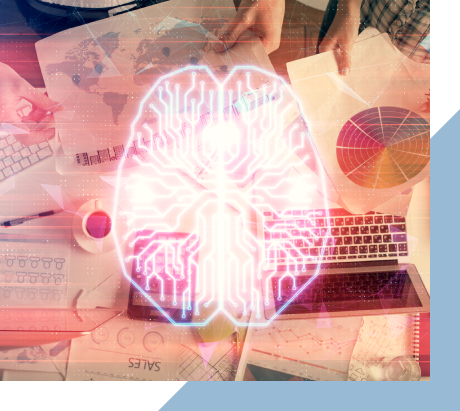
Brain Mapping and Target Planning
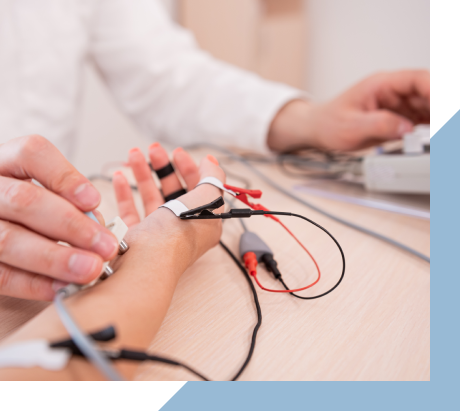
Electrode Implantation
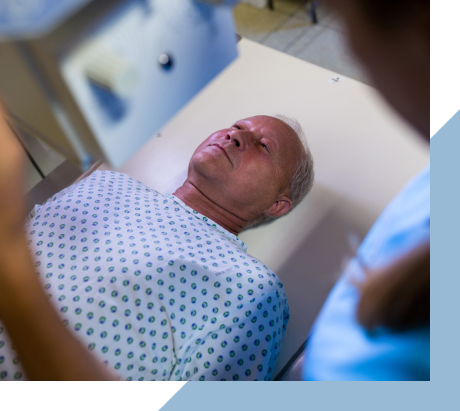
Internal Pulse Generator (Battery) Placement
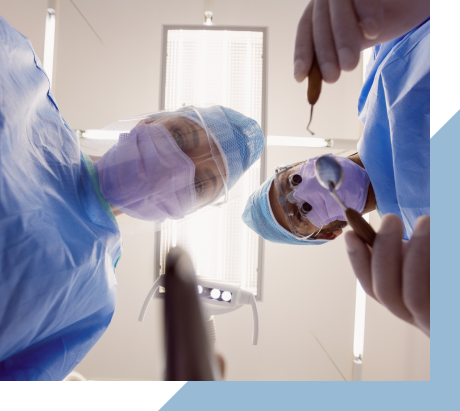
Device Programming and Adjustment
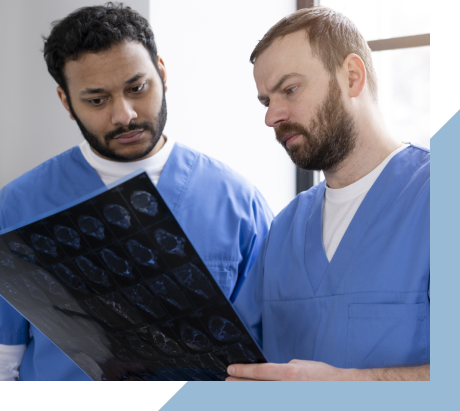
Follow-Up and Long-Term Management
Conditions Treated with Deep Brain Stimulation
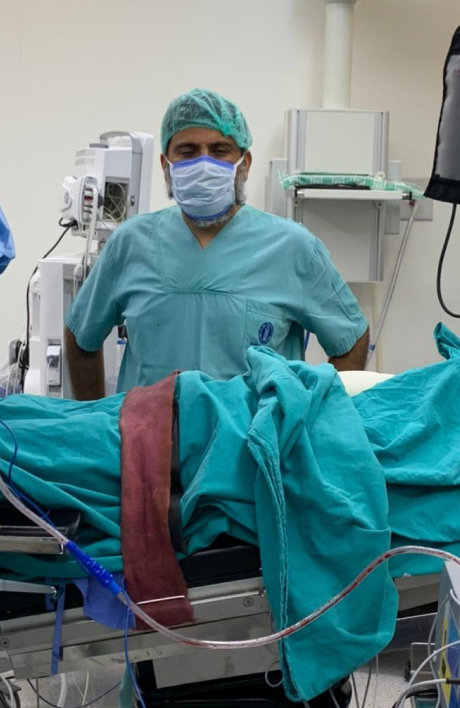
Parkinson’s Disease
Essential Tremor
Dystonia
Who is a Good Candidate
for Deep Brain Stimulation?
Deep Brain Stimulation (DBS) can be life-changing for many individuals. Deep Brain Stimulation (DBS) is beneficial for people who have movement or mobility problems. It is critical to have a comprehensive evaluation by an experienced movement disorders and deep brain stimulation (DBS) neurologist, Dr. Jawad A. Bajwa, to evaluate eligibility and assure the best possible outcomes.
Patients may be considered good candidates for Deep Brain Stimulation (DBS) if they:
- Have Parkinson's disease (PD), Essential tremor (ET), or dystonia.
- Experience substantial tremors, stiffness, or involuntary movements that interfere with daily activities.
- Experience medication-related side effects such as dyskinesias or "on-off" swings.
- Are generally healthy and capable of undergoing the procedure safely.
- Maintain realistic expectations for the outcomes and a commitment to follow-up care and device
Deep Brain Stimulation (DBS) is the best alternative for restoring independence, improving quality of life, and lowering symptom burden.
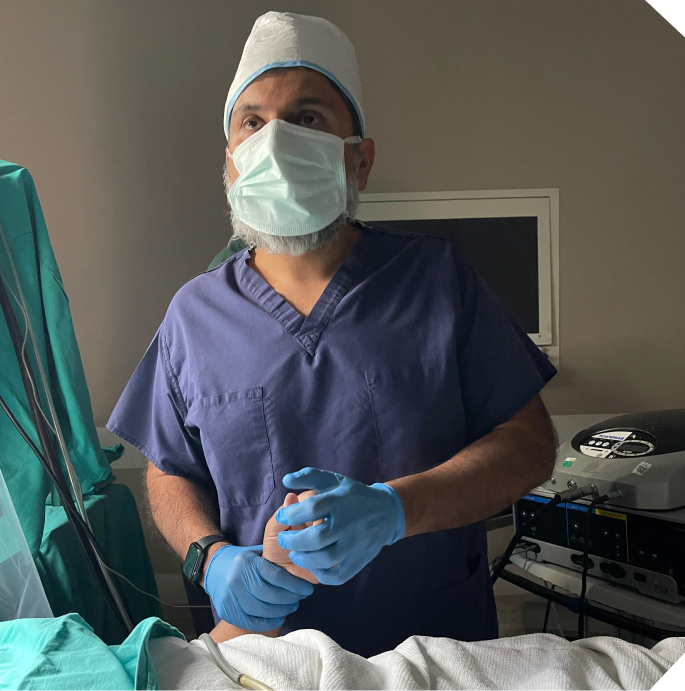
Benefits of Deep Brain Stimulation
Deep Brain Stimulation (DBS) has transforming effects on people with movement impairments, restoring independence, mobility, and confidence. Dr. Bajwa’s care allows patients to comprehend the benefits of deep brain stimulation (DBS) through accurate placement and programming, assuring tailored treatment and long-term results.
Key Benefits:
- Significant decrease in tremors and muscle stiffness
- Improved mobility, coordination, and balance
- Greater independence in carrying out daily activities.
- Reduced dependency on high-dose medicines.
- Reduced medication-related adverse effects.
- Adjustable therapy allows device settings to be fine-tuned over time.
- Reversible technique — can be turned off or changed as needed.
- Long-term increase in overall quality of life
Risks and Complications of Deep Brain Stimulation
While deep brain stimulation (DBS) procedure is typically considered safe and well-tolerated, patients should be aware of the potential complications. The majority of adverse effects are temporary, treatable, or rare, and Dr. Bajwa’s diligent monitoring throughout the deep brain stimulation (DBS) journey and experience ensure patient safety throughout the treatment process.
Possible Risks and Complications:
- Temporary swelling or pain at the procedure site
- Mild headache or pain after the procedure.
- Risk of infection during device or cable implantation (very rare)
- Small danger of bleeding in the brain (extremely rare, but possible in any brain procedure).
- Temporary changes in speech, balance, or coordination during initial adjustments
- Seizures in some individuals during or after deep brain stimulation (DBS) (extremely rare)
- Periodic device modifications are required for optimal functioning.
Life Before and After Deep Brain Stimulation
| Aspect | Before DBS | After DBS |
|---|---|---|
| Tremor / Shaking | Persistent, uncontrollable shaking that interferes with routine tasks | Tremors significantly reduced, allowing steadier and more controlled movements |
| Movement & Coordination | Slow, rigid, and uncoordinated movements | Smoother mobility, better coordination, and improved motor function |
| Daily Activities | Difficulty eating, writing, dressing, or handling objects | Able to perform daily tasks more independently and confidently |
| Medication Requirement | High doses needed to manage symptoms, often with side effects | Reduced medication doses and fewer side effects due to improved symptom control |
| Quality of Life | Fatigue, stress, and limited independence | Enhanced comfort, confidence, and overall wellbeing |
| Symptom Control | Fluctuating symptoms with unpredictable “off” periods | More stable and sustained symptom control throughout the day |
| Social Interaction | Avoidance of social settings due to visible symptoms | Improved participation in work, family gatherings, and social activities |
Expected Results and Success Rates
Deep Brain Stimulation (DBS) has repeatedly demonstrated great success rates in treating motor symptoms in Parkinson’s disease (PD), Essential tremor (ET), and dystonia patients when managed by expert and experienced hands. Most patients have a dramatic reduction in tremors, stiffness, and involuntary movements, depending on their condition and overall health. Because deep brain stimulation (DBS) targets specific brain circuits responsible for abnormal movement, the benefits are often seen shortly after device programming begins in most diseases.
Patients can expect better movement control, fewer “off” periods, less medication dependency, and greater ability to accomplish daily activities. Over time, deep brain stimulation (DBS) helps to stabilize symptoms, improve quality of life, and promote social and emotional well-being. While individual results vary, decades of clinical study and data reveal that deep brain stimulation (DBS) is still one of the most successful life changing treatments for most movement disorders when performed by a qualified specialist.
Deep Brain Stimulation Device Programming & Optimization
After the deep brain stimulation (DBS) procedure, the device must be properly programmed to provide the correct electrical impulses to the appropriate brain locations. This technique is repeated over numerous sessions in the first year post-deep brain stimulation (DBS) procedure, with the deep brain stimulation (DBS) neurologist adjusting contacts, voltage, frequency, and pulse width settings to meet each patient’s specific symptom pattern. Proper and fine-tuned programming is critical because it influences how well the device regulates tremors, stiffness, slowness, and abnormal motions.
Deep Brain Stimulation (DBS) can help regulate abnormal brain signals, restoring smoother and more coordinated movement. Over time, the device settings can be adjusted to match symptom changes, medication requirements, and lifestyle changes, guaranteeing long-term stability, comfort, and optimum therapeutic efficacy.
Target Brain Areas for Each Condition
| Condition | Target Brain Area | Explanation |
|---|---|---|
| Parkinson’s Disease | Subthalamic Nucleus (STN) or Globus Pallidus Internus (GPi) | These targets regulate movement control and are often overactive in Parkinson’s disease (PD). Stimulating these areas helps reduce tremors, stiffness, and slowness while allowing many patients to reduce medication dosage. |
| Essential Tremor | Ventral Intermediate Nucleus (VIM) | The VIM is the primary target for tremor control and is highly effective in reducing hand, head, and leg tremors. |
| Dystonia | Globus Pallidus Internus (GPi) or Subthalamic Nucleus (STN) | Stimulation in these nuclei helps calm abnormal muscle contractions and twisting movements by restoring balance in the motor pathways. GPi is the most effective and widely recommended target for dystonia patients. |
Clinical Care Coordination After Deep Brain Stimulation
Following deep brain stimulation (DBS) implantation, patients enter a supervised post-operative care pathway. This includes wound assessment, neurological evaluations, and staged activation of the deep brain stimulation (DBS) device.
Deep Brain Stimulation (DBS) programming and medication management are carefully synchronized. Stimulation settings are adjusted in scheduled clinical sessions, while medications are gradually optimized to reduce side effects such as dyskinesia, fatigue, or “on-off” fluctuations. This balanced integration ensures stable symptom control without adverse effects.
Through continuous care coordination, patients achieve smoother recovery, faster response to symptom changes, improved independence, and sustained quality of life. This structured approach ensures that deep brain stimulation (DBS) therapy remains safe, adaptive, and effective for years after surgery. Dr. Bajwa ensures all post deep brain stimulation (DBS) follow up care is guided thoroughly.
Transforming Lives Through Deep Brain Stimulation Solutions
Deep Brain Stimulation (DBS) is more than a procedure—it’s a journey toward better mobility and reduced symptoms. At ParkinsonsMDcare, our interventional movement disorders and deep brain stimulation (DBS) neurologist, Dr. Jawad A. Bajwa, combines medical excellence with compassionate care. He ensures his patients feel supported before, during, and long after deep brain stimulation (DBS) interventional therapy. We are dedicated to assisting you in navigating this path with understanding, self-assurance, and the desire for a better and self-sufficient existence.